BUY & INVEST · A PRACTICAL GUIDE
Before you buy the property, look closely at the plan.
A big yard or an extra room can get you thinking. Before you build an offer around that potential, let's work out what still needs to be checked.
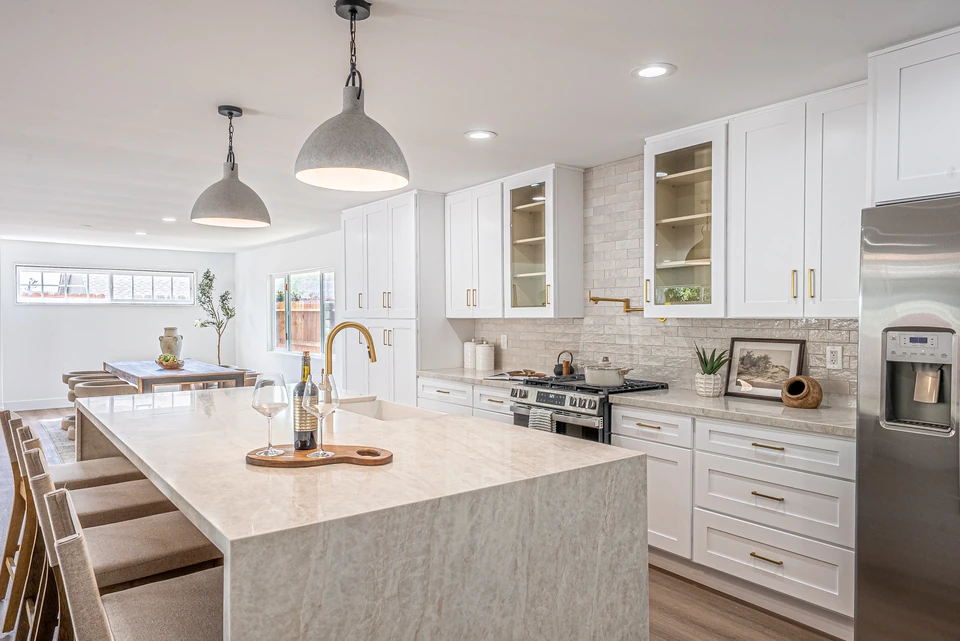
Start with the property as it is.
If you're looking in Santa Maria, Orcutt, Nipomo or Lompoc, tell us what you want the property to do. Will you live there while renovating? Rent the existing home? Add a separate living space later? Those are different plans, even when they begin with the same listing.
Ask yourself one question before getting attached: would this purchase still work for us if the extra unit or renovation took longer than expected? If the answer is no, that part of the plan deserves closer investigation before you commit.
Separate the idea from what has been confirmed.
A listing description can introduce a possibility. It doesn't settle the questions behind it. For an existing addition or converted space, ask what records are available and whether they match what you're seeing. For a future ADU, start with the exact address and a conversation with the appropriate permitting agency and project professionals.
California's HCD ADU Handbook is a useful starting resource. For questions about a particular site, HCD points readers to the local permitting agency. We can help bring those conversations together instead of leaving you to work out whom to call.
Give each unknown a person and a next step.
Keep a short working list as you evaluate the property. Next to each question, write who can answer it and what information they need. An unanswered question is easier to deal with when someone owns the follow-up.
- Existing condition: What should an inspector or relevant specialist examine?
- Proposed layout: What does the designer need to assess before drawing up the scope?
- Site and approvals: Which city or county handles this address, and what needs confirmation?
- Construction scope: What is included in the contractor's estimate, and what remains an allowance or exclusion?
- Financing: What does the lender need to know about the purchase and proposed work?
Leave room for the parts that are still estimates.
Put the purchase and the project on the same worksheet, but keep their costs separate. Ask for an estimate of design, approvals, construction and other project expenses. Then identify costs you may carry while work is underway, such as payments, insurance or temporary housing, depending on your situation.
Mark what is quoted, what is estimated and what is still unknown. Ask the relevant professionals how delays or a change in scope would affect the plan. If you intend to refinance after completion, discuss the requirements with the lender early; an expected appraisal or loan outcome should not be treated as money already available.
Bring the plan into the purchase conversation early.
You don't need finished drawings before calling us. Bring the listing or address, what you want to create, your timing and the capital you expect to put toward it. We'll discuss which questions need attention during the purchase process and help coordinate the people involved.
You make the key decisions. We help keep the property search and the project conversations connected, so you can see what has been established and what still needs work.